The thing nobody tells you about c-section recovery is that the hardest parts are rarely the ones you prepared for. For me it was not the incision. It was the damn tape they rip off you, the thirst, the first time standing up, and discovering a catheter bag I did not know I had.
I had an unplanned c-section in February after more than 24 hours of labor, as a first-time mom at 40, at a private hospital here in Cabo San Lucas. I am writing this from inside the postpartum chapter, still recovering, still learning, so this is not a retrospective from someone who has forgotten the details. This is fresh.
One thing before we start: nothing here is medical advice. This is one woman's honest experience, and your care team is the only source for what is normal for your body.
Jump to:
The First Hours: Blissful and Wild
Nobody warned me how little I would be able to move at first, and I mean at all.
I could not feel my legs. I had no idea if I was peeing. I truly did not know there was a bladder bag until a nurse came to change it. If you had asked me to list what happens after a c-section, a catheter would not have made my list, and it should have, because obviously it makes sense, but in the moment, it was the last thing on my mind.
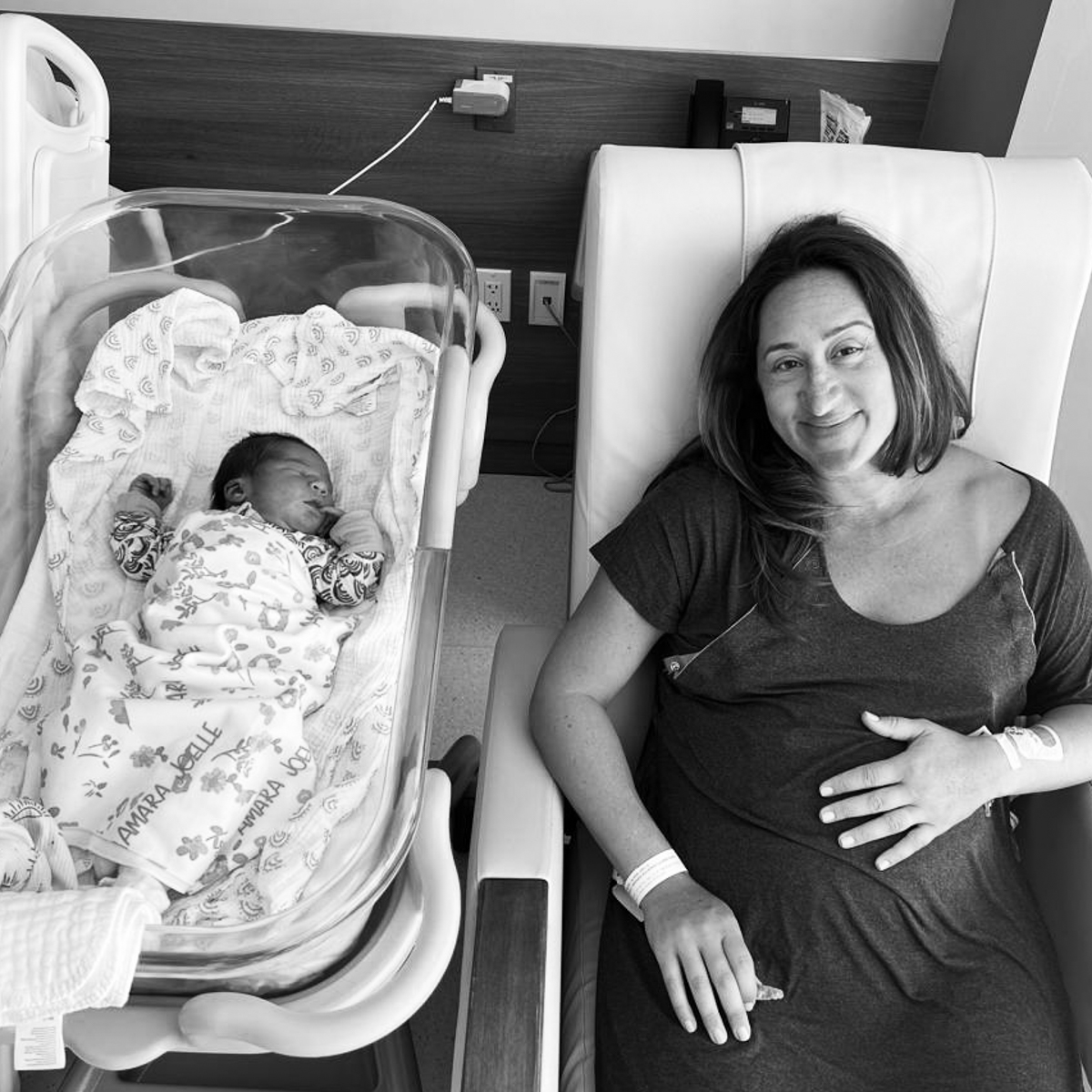
And here is the strange part: those same hours were some of the happiest of my life. My baby in my arms, my husband next to me, my mom's face when they rolled us into the room, the ocean out the window. Exhausted but alive. Sore but happy. Overwhelmed but peaceful.
Both things were true at once.
The Thirst
I could not drink water right away after surgery, and I was so thirsty I would have traded almost anything for a full glass.
I literally spent hours begging for ice chips and tiny sips. When I was finally cleared to drink, I did not stop. If someone you love is having a c-section, know this going in so it does not scare you, and ask the care team what the plan for fluids will be. I wish I had my water bottle filled up with ice cold water, because I kept having to call the nurse to ask for more water.
The First Time Standing Up
Wow. I need a full section for this one.
Here is the impossible math of it: you can't stand up, but you have to. You can't sit down, but you have to. You have to walk, and every step hurts. And somehow you just do it, because your baby needs you, and apparently that is the fuel that overrides everything.
Nobody tells you that the getting up and the sitting down are harder than the walking itself. Slow is the whole strategy. I had two nurses, one one each side of me, to assist me, and we moved slow. First step was scoot to the edge of the bed, then rotate the legs, the scoot a little closer to the edge. Stop. Take a break. Breathe. Then, one, two, three... STAND UP! And if you've done this before, you know what comes next. I can't really describe other than it feels like everything is falling out.
The Tape. OUCH.
Of everything in my recovery, the thing I was least prepared for was removing all the tape and IVs.
OUCH. That is the whole paragraph. The surgery had an anesthesiologist. The tape did not. Maybe it was just me, but OH.MY.GOD that was painful.
I am telling you this not to scare you but because being warned is half the battle. I was not ready, and now you will be.
What Actually Made It Better
A few small things shaped my whole hospital recovery, and none of them were fancy.
I made the room mine. Lights low, air on, my music playing. A hospital room becomes a lot less clinical when it sounds like your playlist.
I drank constantly once I was cleared. After the ice chip saga, hydration became my full-time job. I also brought my own snacks!
I let people help. The nurses were lovely and attentive, my husband stayed, and my mom was there for the first weeks. Recovering abroad means your village is smaller, so use every bit of the one you have.
I lowered the bar for movement. Standing was the workout. Walking to the door was the long run. After 12 years in fitness, recalibrating what counted as progress was its own lesson in humility.
Recovering Abroad, Without the Cavalry
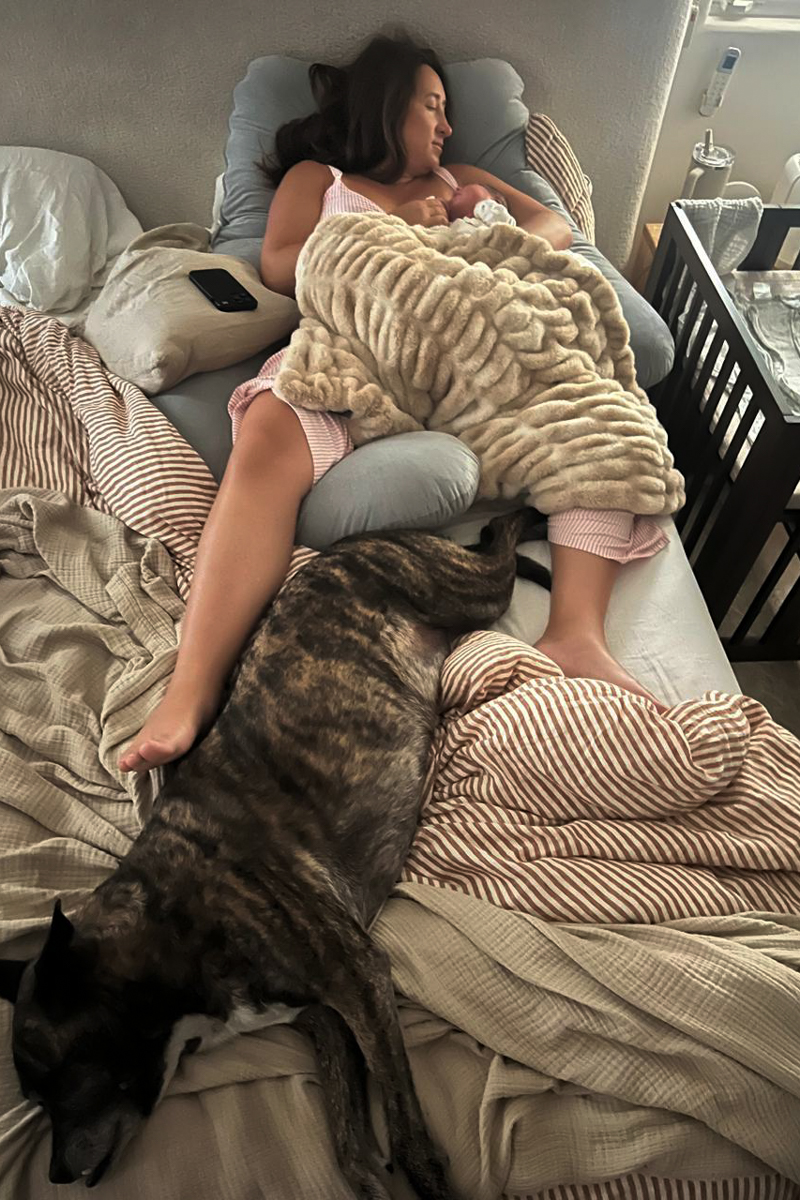
Here is the part specific to my life: I recovered from major surgery in a country where I cannot call a brother or a best friend, or my mom or grandma to come fold laundry or walk the dogs, or bring me lunch to make sure I ate something.
My mom stayed for the first couple of weeks, and that time was gold. When she flew home, the quiet hit hard. What carried me was little moments. Once I was cleared to go back to the gym, that helped. My best friend came to visit, and we started venturing out of the house. But there were weeks where I didn't see anyone other than my husband, my baby and our cleaning lady.
If you are pregnant abroad, please hear me: build your village before you need it. I wrote more about that in my guide to giving birth in Cabo San Lucas as an expat.
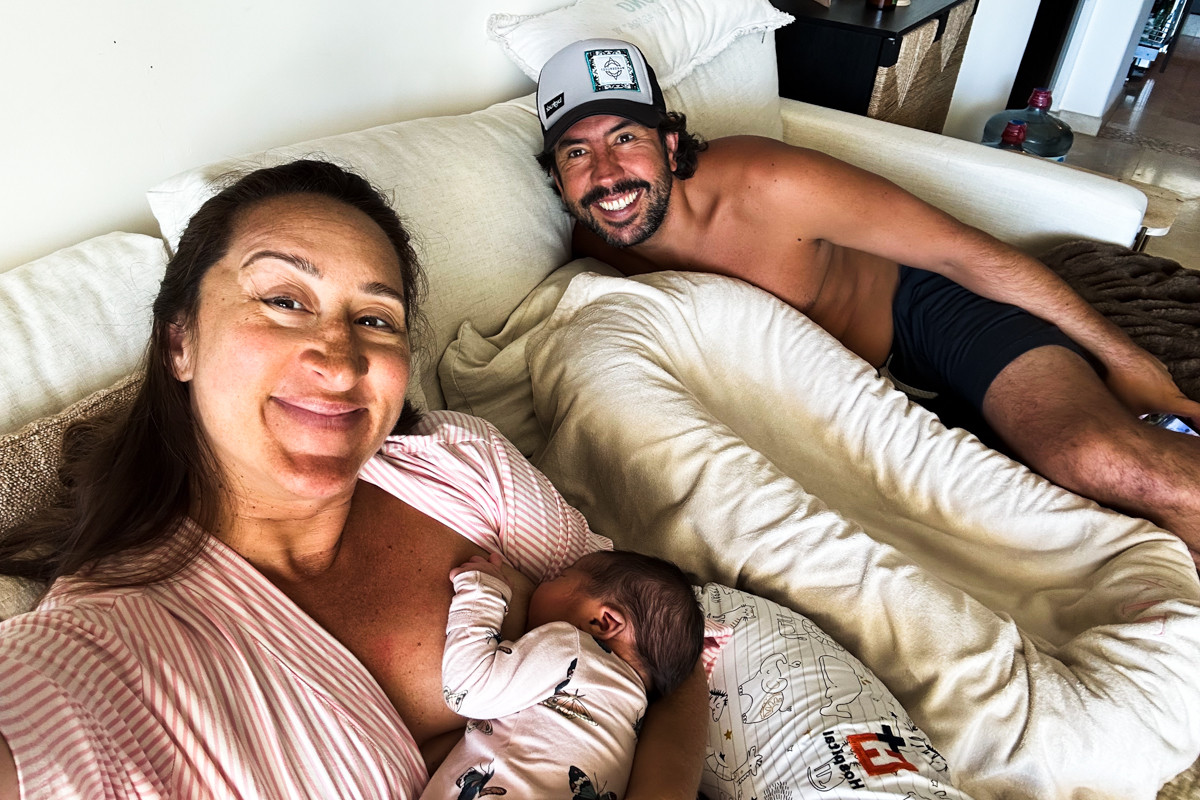
The weeks after my mom left were quiet. It was a lot of bonding time at home with my baby and my husband. Music playing, candles lit, and small walks around the neighborhood. As isolating as it was, it was also some of the most special moments as a new family.
What Actually Helped Me
The things that have earned a place in my recovery, best-friend test applied as always.
- This postpartum underwear. Trust. shop the exact pair
- This Bumpsuit waist trainer shop the waist trainer
- Take a look at all my other postpartum go-to's here shop all my postpartum favorites
FAQ
The parts of c-section recovery nobody mentions are the small ones: the catheter you may not notice, not being able to drink water right away, how painful tape and IV removal can be, and how hard the first stand is. The incision gets all the attention, but the surrounding details are what surprised me most.
Standing up for the first time after a c-section was the hardest physical moment of my recovery. Getting up and sitting down hurt more than the walking itself, and moving slowly was the only strategy. My nurses guided the timing, and yours will too.
I was not allowed to drink water right away after my c-section and started with ice chips and small sips. The exact timeline is set by your care team based on your surgery, so ask them what to expect ahead of time.
I stayed in the hospital for 2 nights. We checked in on a Friday evening, and I was discharged around 3pm on Sunday.
I can only speak to my unplanned c-section, which came after 24 hours of labor, so I started recovery already exhausted. Going in depleted made rest, hydration, and accepting help even more important. My full birth story explains how we made the decision.
Related
The rest of this series: my full birth story, giving birth in Cabo San Lucas as an expat, and how I prepared my body for labor.



You Will Do It Too
If your c-section is booked, or you are reading this from a hospital bed at 3 a.m. with a baby on your chest, here is what I want you to know.
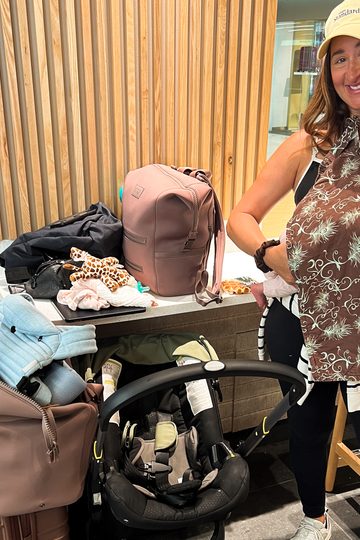
The hard parts are real, and they are survivable. The impossible first stand becomes a slow walk, the slow walk becomes a hallway, and one day you look up and realize you are moving through your life again, carrying the person it was all for.
I never expected a c-section. It gave me my daughter, a scar with a story, and more respect for my body than 12 years of fitness ever did. Would I do it again? All day, yes.